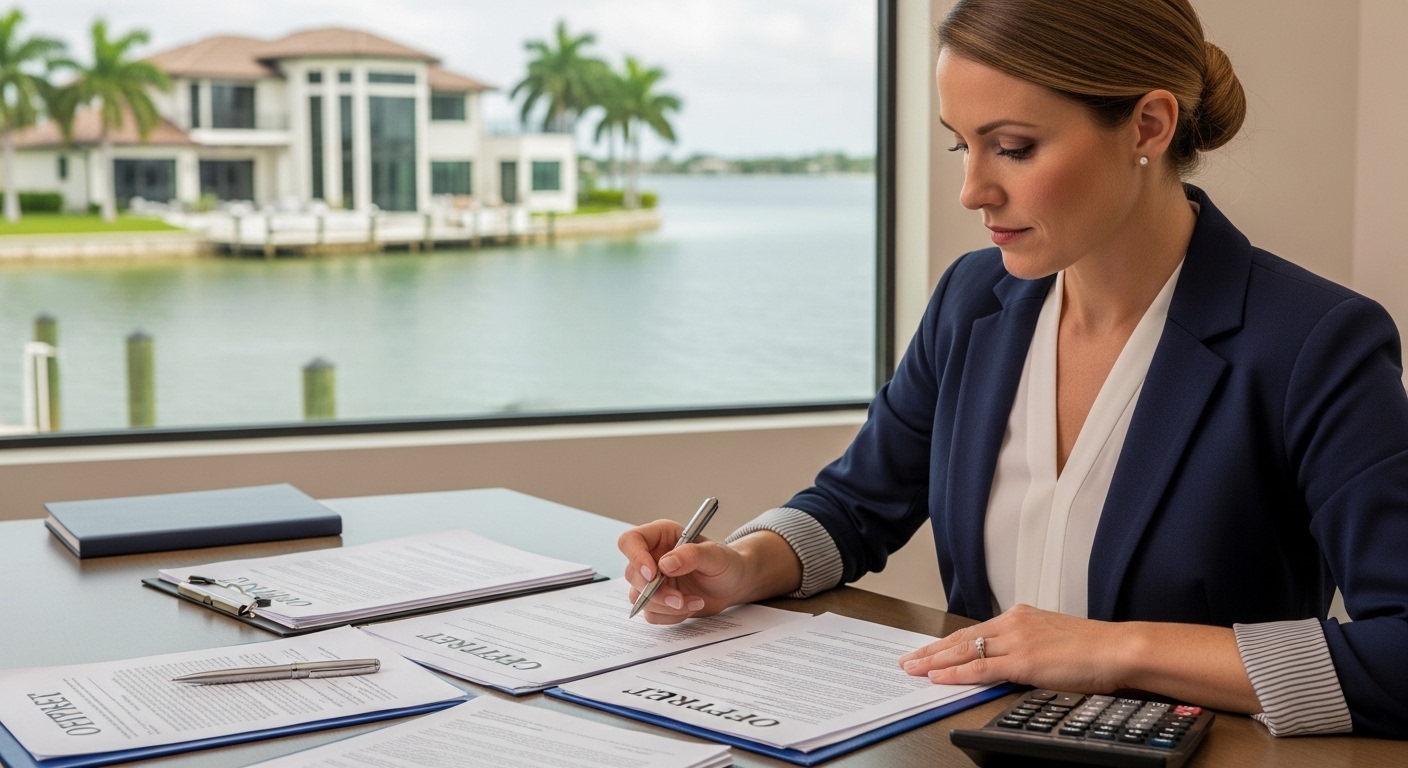
If you've been sitting on the sidelines waiting for mortgage rates to plummet and home prices to crash, I have news that might surprise you: that "perfect moment" may never arrive. And here's the thing—while you've been waiting, the market has actually shifted in your favor more than you realize.
I talk to potential buyers in Cape Coral every single week who are paralyzed by the same question: "Should I wait?" After years of hearing that conditions will improve soon, it's understandable to be skeptical. But the data tells a different story, and it's one worth paying attention to.
The Real State of the 2026 Housing Market
Let's start with what's actually happening right now. Mortgage rates are hovering around 6.2% despite being lower than the 7% levels seen in 2023–2024. That's still higher than the pandemic-era rates everyone remembers, but here's what matters: most forecasts suggest rates staying in the 6–7% range through year-end, with modest downward movement possible.
On home prices, expectations have shifted dramatically. Unlike the panic of 2022-2023, home prices are growing slowly at around 1–4% instead of surging, and housing inventory is improving, giving buyers more choices and less competition. This is a fundamental change from the feeding frenzy we saw just a few years ago.
Inventory has improved, meaning you have more homes to choose from and less pressure to waive contingencies. That's not a small thing. Gone are the days of making offers sight unseen or waiving inspections to stay competitive. You can actually negotiate again.
The Cost of Waiting
Here's the math that keeps me up at night when I talk to waiting buyers. If you buy today at 6.5% and rates drop to 5.5% in two years, you can refinance. If you wait two years for lower rates and home prices rise 10%, you've lost more than you saved on interest.
This isn't theoretical. Homeowners who bought an average-priced home in January 2026 are paying $157 less each month and saving $56,953 in mortgage interest over the life of the loan compared to buyers who purchased homes in January 2025. The buyers who waited a full year? They're looking at higher purchase prices that more than offset any rate improvements.
If you plan to stay in a home for 5+ years, buying is almost always the better financial decision—even at current rates. This is the core principle that should guide your decision.
What's Happening in Cape Coral Specifically
If you're thinking about buying in Cape Coral, the timing is particularly interesting. Cape Coral is a buyer's market with 6 to 9 months of inventory available, giving buyers more leverage to negotiate prices and repairs than they have had in years. This is your local market, and it's fundamentally different from where it was just 18 months ago.
Over the three months ending May 2026, Cape Coral home prices were down 2.1% compared to the same period last year, with homes receiving 2 offers on average and selling in around 60 days. What does this mean? No bidding wars. No waiving inspections. No jumping at the first offer that comes along.
The market is a reset rather than a crash—prices are finding a new normal, and inventory levels are high enough to give you actual choices. For buyers who've been waiting patiently for their moment, that moment is right now.
Personal Financial Readiness Matters More Than Market Timing
The most honest thing I can tell you is that the "perfect time to buy" rarely arrives, and waiting for it often costs more than acting with imperfect conditions. Your decision shouldn't be based on guessing where rates are headed. It should be based on whether you're personally ready.
Can you afford the monthly payment comfortably? Do you have stable income and savings? Will you stay in the home for at least 5 years? If the answer to these questions is yes, then market conditions are less important than your own financial position.
The ultimate test of whether 2026 is a good time to buy really depends on your financial readiness—a solid down payment, strong credit, and steady income still matter more than market headlines.
The Seasonal Advantage
One more thing to consider: October through January offers the best combination of motivated sellers, reduced competition, and negotiating leverage—at the cost of fewer options. If you're not ready to move immediately, knowing that fall and winter bring additional advantages can help you plan. But if you're ready now? Don't let a calendar date hold you back from the right home.
The best time to buy in 2026 is during fall and winter months—particularly October, November, and January—when competition is lower, prices dip below summer peaks, and sellers are more willing to negotiate on price and concessions. The key word here is "best," not "only."
Finding Your Next Home in Cape Coral
Ready to stop waiting and start looking? I use HOUSEJET to help my clients search for homes in Cape Coral with confidence. It's a straightforward platform that shows you what's actually available in your area, giving you real insight into what homes are priced at and how quickly they're moving.
Whether you're looking in the $300K to $400K range or exploring waterfront properties, understanding your local market—not the national headlines—is what matters. I can help you navigate these conditions and find a home that makes financial sense for your situation.
The Bottom Line
Stop waiting for rates to hit 4%. Stop hoping prices will drop 20%. These things aren't guaranteed to happen, and in the meantime, you're missing out on a window of opportunity that may not last forever. 2026 may be a better and more balanced time than the past few years, especially if you approach it strategically.
The right time to buy your home isn't when the market is perfect. It's when you're ready and when you've found the right property at the right price. In Cape Coral right now, that timing might be sooner than you think.
If you're ready to explore what's available or want to talk through whether now makes sense for your situation, reach out. That's what I'm here for.